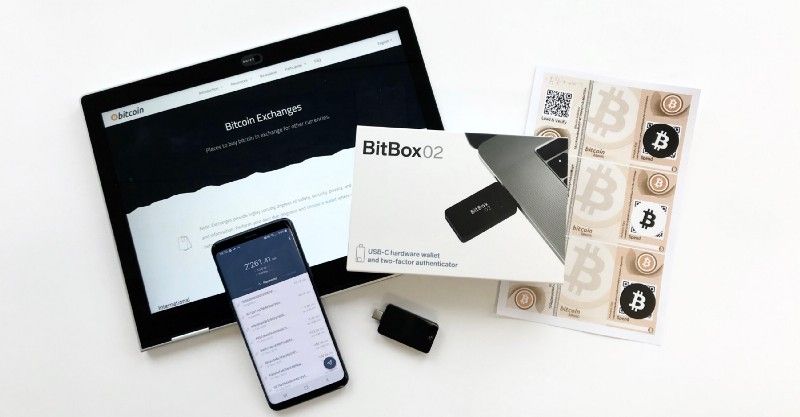
Should I Keep My Bitcoin On An Exchange Or In A Wallet? - Should I keep my Bitcoin on an Exchange or a Wallet? - BTCNN : The exodus bitcoin wallet is a community favorite thanks to:. A bitcoin wallet is like a wallet with cash. Don't keep cryptocurrency in exchange for a prolonged period or longer than necessary. You are trusting them to not run a fractional exchange, since they don't publish btc assets & liability trees. Exchanges get hacked all the time, they can go out of business or refuse your withdrawal due to some regulatory issues. That said, it's a good idea to store the cryptocurrency that you are not currently trading in cold storage with a hardware wallet.
Exchanges get hacked all the time, they can go out of business or refuse your withdrawal due to some regulatory issues. Coinbase doesn't actually run an online wallet. You can store them with any of online wallets or exchanges (e.g. On an exchange, you don't completely control your crypto You'll be just fine with a desktop wallet like electrum.
Why should I use a hardware wallet to keep my bitcoin safe? from shiftcrypto.ch In general, it is a good practice to keep only small amounts of bitcoins on your computer, mobile, or server for everyday uses and to keep the remaining part of your funds in. Exchanges get hacked all the time, they can go out of business or refuse your withdrawal due to some regulatory issues. Without a doubt, however, once you learn how to trade bitcoin and other currencies successfully you will want to look into getting your own private wallet. The exchange simply has an obligation to give you some bitcoin if you ask them. Updating your bitcoin wallet software on a periodic basis can go a long way in ensuring the safety and security of your stored btc funds. There's a lot of not your coin, not your keys talk even within this post. An exchange can be hacked and bitcoins drained.although its fairly rare.once or twice in a couple of years maybe. You are trusting them to not run a fractional exchange, since they don't publish btc assets & liability trees.
On an exchange, you don't completely control your crypto
To answer this question properly, you need to understand the difference between keeping your digital assets on an exchange and in a wallet. Several exchanges have experienced outages (gemini, kraken, coinbase) and ddos attacks (bittrex, bithumb, coinbase) since november. Exchanges get hacked all the time, they can go out of business or refuse your withdrawal due to some regulatory issues. There's a lot of not your coin, not your keys talk even within this post. Coinbase doesn't actually run an online wallet. Exchanges work like a bank; In other words, it's sort of like the exchange storing your bitcoin in their own wallet and giving you access via an account. If your investment goes beyond 10k, consider getting a hardware wallet. These disruptions have led to all kinds of snafus. Coinbase, kraken etc), in this case you trust these services, while they fully control access to your bitcoins, so generally you trust them that they will send bitcoins to you or to someone you will want to pay in the future, if you ask them to do so. If you are actively trading, then you will likely want to keep a certain amount of your crypto on a given cryptocurrency and bitcoin exchange for easy transactions. After converting your fiat to bitcoin, ethereum or altcoins, you can either keep them in the exchange or move them to a wallet. The exchange simply has an obligation to give you some bitcoin if you ask them.
These disruptions have led to all kinds of snafus. In general, it is a good practice to keep only small amounts of bitcoins on your computer, mobile, or server for everyday uses and to keep the remaining part of your funds in. A bitcoin wallet is like a wallet with cash. When you store your bitcoin in a wallet controlled by an exchange, like coinbase, that exchange actually holds the private keys. The exchange simply has an obligation to give you some bitcoin if you ask them.
Working Process of Bitcoin Debit and Credit Card ... from secureservercdn.net To answer this question properly, you need to understand the difference between keeping your digital assets on an exchange and in a wallet. That being said you need to have a backup on a physical media as data loss can account to loss of bitcoins. For example, stormgain pays 10% apy on any cryptocurrency users hold with them, including ripple. A local wallet is a safer option. And preferably, a reputable hardware wallet like the ledger nano x. On an exchange, you don't completely control your crypto A bitcoin wallet is like a wallet with cash. You are trusting them to not run a fractional exchange, since they don't publish btc assets & liability trees.
On an exchange, you don't completely control your crypto
The only way to have total control and to have significantly better security over your funds is to use a wallet that gives you access to your private keys/recovery seed. The exodus bitcoin wallet is a community favorite thanks to: After converting your fiat to bitcoin, ethereum or altcoins, you can either keep them in the exchange or move them to a wallet. For any coins that need quick access to the exchange for trading and transacting they can be kept on the exchange wallet, but it is recommended to keep this to a minimum to keep your funds safe. A local wallet is a safer option. In general, it is a good practice to keep only small amounts of bitcoins on your computer, mobile, or server for everyday uses and to keep the remaining part of your funds in. To get faster and easier access to your xrp, you'd likely want to keep them on an exchange or another software wallet. If you don't actually control the keys to your bitcoin, all you have is an iou of a third party. Exchanges work like a bank; Better than storing it on an exchange. Here are the three easiest ways to buy bitcoin without a crypto exchange account: That way, even if every single exchange in existence gets hacked, your funds will remain untouched. There's a lot of not your coin, not your keys talk even within this post.
Having control of your keys means having control of your coins. Several exchanges have experienced outages (gemini, kraken, coinbase) and ddos attacks (bittrex, bithumb, coinbase) since november. Exchanges work like a bank; They store your coin in their wallet, and they hold the keys to your money. If you don't actually control the keys to your bitcoin, all you have is an iou of a third party.
Best Sites to Buy Bitcoin from www.mostinside.com Coinbase doesn't actually run an online wallet. One example is storing your btc on an exchange and as everyone knows, exchanges are notorious for getting hacked or otherwise losing user funds. That way, even if every single exchange in existence gets hacked, your funds will remain untouched. A new zealand exchange cryptopia suffered a security breach with significant losses in jan 2019, with customers completely losing their funds; To answer this question properly, you need to understand the difference between keeping your digital assets on an exchange and in a wallet. An exchange is hosted online and allows for quick conversion of your bitcoin into altcoins and vice versa. Having control of your keys means having control of your coins. You are trusting them to not run a fractional exchange, since they don't publish btc assets & liability trees.
That being said you need to have a backup on a physical media as data loss can account to loss of bitcoins.
If you wouldn't keep a thousand dollars in your pocket, you might want to have the same consideration for your bitcoin wallet. An exchange is hosted online and allows for quick conversion of your bitcoin into altcoins and vice versa. If you don't actually control the keys to your bitcoin, all you have is an iou of a third party. A bitcoin wallet is like a wallet with cash. Without a doubt, however, once you learn how to trade bitcoin and other currencies successfully you will want to look into getting your own private wallet. Coinbase, kraken etc), in this case you trust these services, while they fully control access to your bitcoins, so generally you trust them that they will send bitcoins to you or to someone you will want to pay in the future, if you ask them to do so. That way, even if for instance every single existing bitcoin/cryptocurrency exchange gets hacked, your coins will be untouched. One example is storing your btc on an exchange and as everyone knows, exchanges are notorious for getting hacked or otherwise losing user funds. Just the way we keep cash or cards in a physical. After converting your fiat to bitcoin, ethereum or altcoins, you can either keep them in the exchange or move them to a wallet. If your investment goes beyond 10k, consider getting a hardware wallet. Having control of your keys means having control of your coins. That said, it's a good idea to store the cryptocurrency that you are not currently trading in cold storage with a hardware wallet.